KEMRI FACES building
Showing posts with label FACES. Show all posts

Tuesday, May 1, 2007

current projects and documents

This is a resource and orientation blog site for residents and students visiting the FACES-Nyanza clinical sites in Kisumu, Suba and Migori, Kenya. We will include our reflections on the rotation, details about travel, housing and food logistics as well as all the current projects we're working on. Currently this blog site is maintained by UCSF residents in internal medicine, but we welcome residents and students from all departments and institutions visiting FACES from abroad to utilize and participate in it.


To see the current projects, which are updated regularly as Google live documents, you can go to www.gmail.com and log in to the email address: FACES.CME.projects@gmail.com with the password: karibu


Click on the “documents” link on the top left of the web page to view the list of documents. Click on each document to see the most recent version of it.


To be able to post blogs and edit the current projects, please contact sophy.wong@ucsf.edu to get the instructions for access and passwords. Please also include in that email request your name, institution, title or year in school, dates at FACES, and role at FACES.

rotation pocket guide

[last updated 2007 Aug 7 by sophy]

Download the complete rotation pocket guide here:

www.resister.info/FACES.rotation.pocket.guide.pdf


It includes the rotation schedule, weekly clinic schedules, rotation goals, FACES formulary, WHO staging, contact information, etc.

rotation projects

[last updated 2007 Aug 9 by sophy]

Possible rotation CME topics and projects as requested by FACES staff (but always check in with the Google Live Docs CME/journal club list and FACES staff to make sure someone hasn't already done the one you're interested in!)

Rotation Projects and Topics of Interest

-compiled by FACES staff, last updated May 07-


-Change of ART regimen: Chart audit of the patients with change of ART regimen and document the reasons for ART change

-Death data- chart audit of patients who have died to document the CD4 count, WHO stage, reason for death , if they had been o ART and time to death after initiation of ART

-Structured observations of clinic visits to assess how prevention messages are incorporated in to the clinic visit based on what we think is our “Prevention with positives” package

-Development/ review of Paramedical staff curriculum

-Development of adherence counseling manual (expand on current SOP with more details)

-HIV education manual (expand on current SOP with more details)

-Tools for evaluation paramedical model (once indicators have been determined)

Default rates (and change over time as follow-up systems are put in place)

- Revision of site assessment tools

- Compilation of Desk job aid


-Mantoux test- current evidence on and recommendations of its value in diagnosis of TB

-What persons actually understand about taking meds when they leave clinic


-Clinic algorithms for common symptoms with broad differential diagnosis- goal would be to develop reasonable algorithm for differentiating and identifying and treating likely illness by history, exam and available investigations and medications.


E.g.-Chronic cough

-Persistent fever

-Persistent diarrhea

-Jaundice

-Hepatospenomegaly

Clinical mentoring on targeted history and exam based on common symptoms e.g. weakness, shorteness of breath, etc.

clinic schedule: Kisumu

[last updated 2007 Aug 9 by sophy]

•Monday: 8:00 am – 5:00 pm Lumumba Clinic

•
•Tuesday: 7:30 – 9am Tuungane meeting, then clinic

•
•Wednesday: 8:00 am – 5:00 pm Lumumba Clinic

•
•Thursday: admin, CME and home visit day
7:30am – 8:30 am Clinical Meeting / Journal Club
9:00am - 10:30am Staff meeting
11:00am - 12:00pm Community Care Meeting
12:00pm - 2:30pm Home visits and hospital rounds
3.00pm – 4.30pm Continuous Medical Education

•Friday: 8:00am - 5:00pm Clinic hours with special emphasis for expectant mothers and children (but there are plenty of adults to see).

clinic schedule: Suba

[last updated 2007 Aug 9 by sophy]

Islands
:
•Mon- boat to Mfangano, Sena Clinic;
•Tues- boat to Ringiti, Ringiti Clinic;
•Wed- Sena Clinic or Ugina clinic;
•Thurs- Remba island;
•Fri- Sena CME and staff meeting

•
Sindo:
•Mon- Sindo Clinic (peds day), or Mbita or Ogongo;
•Tues- Sindo Clinic or Kitare;
•Wed- Sindo grand rounds and CME, or Mbita, or Magunga, or Tom Mboya;
•Thurs-Sindo Clinic or Mbita or Nyadenda or Kisegi;
•Fri- Sindo clinic or Mbita clinic (peds day) or Lucky Youth

faces of FACES

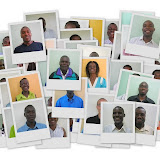
Check out a slideshow of the fabulous staff at FACES:

faces of FACES

Suba: living logistics

last updated 2007 Aug 18 by sophy


*Travel to Suba

Travel to Suba can be challenging and long, especially with rain. There are no paved roads for a large part of the trip. Most people arrange transportation with the FACES drivers. There is often a truck or SUV going to Suba each weekend, as staff constantly rotate back and forth from Suba to Kisumu. It is possible to take public transport to Mbita, where the FACES flat is. You can take matatus from Kisumu or a matatu to Luanda and then taking a ferry to Mbita.

*Mbita ICIPE House

FACES housing in Mbita is at ICIPE, which stands for International Centre of Insect Physiology and Ecology

http://www.icipe.org/

See below for more details from a peds resident who spent more time in ICIPE.

On the islands, you will mostly be staying in Sena, where the staff generally stays. There’s a building there reserved for staff housing, and they are planning to construct a new building for housing in the summer.


*Food

Bring your own groceries! There are no large grocery stores in Suba as there are in Kisumu. There are very few vegetables aside from sukima wiki, cabbage, tomatoes and onions. The kitchen in the Mbita house is very usable for cooking your meals.

Mbita- folks like to eat at Elk Lodge in town. It’s upscale compared to other places in Suba but still very affordable.

Sindo- folks like to eat at the second restaurant to the right on the road with shops and hotelis (I forget the name). Good samaki (fish) – fresh with stew is excellent, there’s also fried fish which locals like. A meal of soda baridi (cold soda; bring your own water if you don’t want all the sugar), samaki (fish), sukima wiki, and ugali or chapatti costs 70 ksh.

Sena- the Kamakuji Restaurant/Lodge/Bar is really the only place to eat in Sena. Fortunately, it’s decent though salty. A veggie meal of beans, sukima, and chapati/ugali costs 30 ksh. For meat, add 20 ksh.


Suba: clinical sites

*Sindo District Hospital


*Islands rotation:
-Sena
-Ringiti


*Satellite/mobile sites on the mainland (Kisegi, Ogongo)